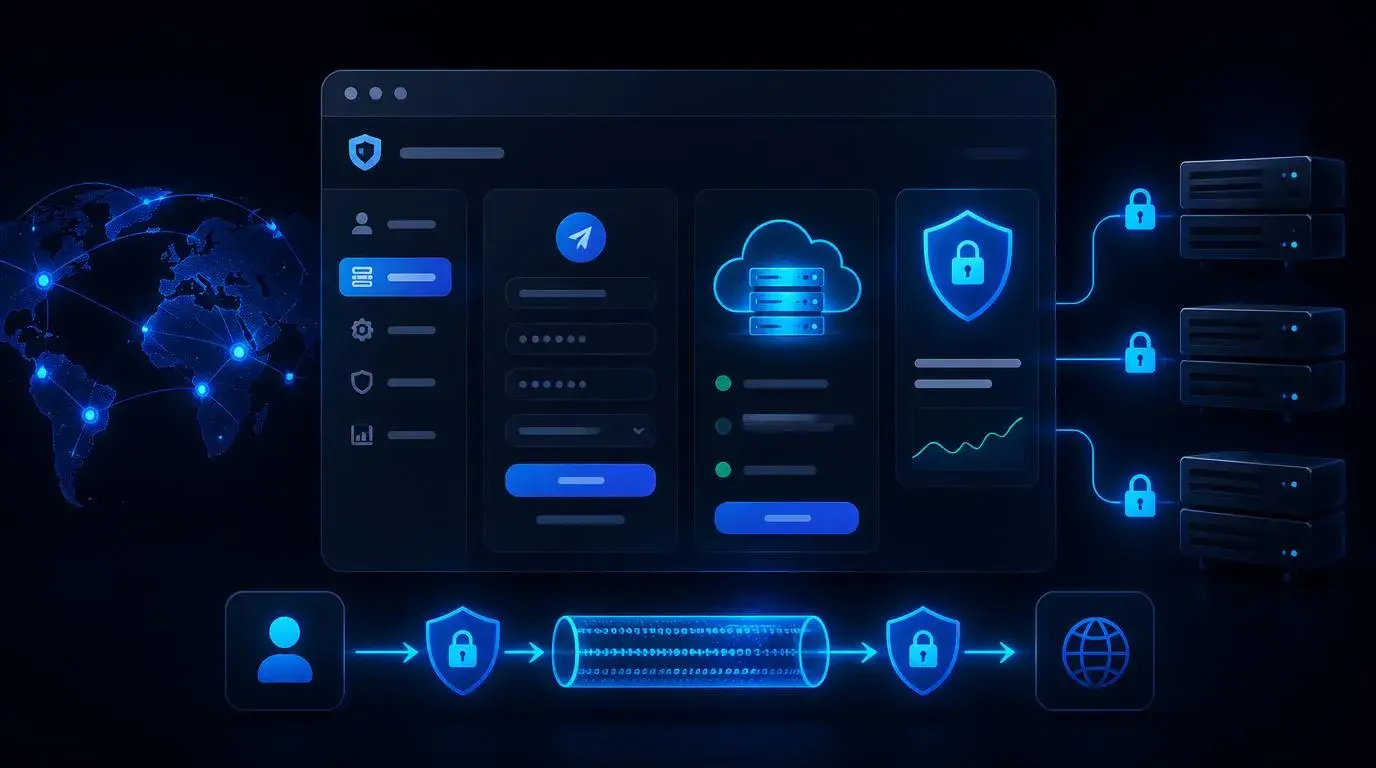
greenssh.net – The name might sound alarming, but Trojan protocol has nothing to do with malware. It is actually one of the most sophisticated anti-censorship proxy protocols ever built, designed from the ground up to be completely invisible to deep packet inspection.
Here is what makes it special: Trojan connections are genuine TLS connections. When someone tries to detect or block it, they cannot — because it looks and behaves exactly like regular HTTPS traffic.
What Is Trojan Protocol?
Trojan works by embedding proxy authentication inside a standard TLS connection. The protocol-level communication uses a simple password hash in the first data packet. Everything else is pure TLS.
The genius of this design is the fallback mechanism. If someone connects to a Trojan server without the correct password — including automated scanners trying to detect proxy servers — the server responds like a normal web server. It serves legitimate web content. There is zero indication that a proxy exists.
This makes Trojan arguably the most censorship-resistant proxy protocol available today.
Trojan vs Other Protocols
vs VMess: Trojan has no custom encryption layer — it relies entirely on TLS. This makes it faster (less overhead) and harder to detect (no unique protocol markers).
vs VLESS: Similar performance and security philosophy. VLESS + Reality is slightly more advanced for active probe resistance, but Trojan is simpler to configure.
vs Shadowsocks: Trojan is harder to fingerprint. Shadowsocks creates distinct traffic patterns that advanced DPI can sometimes identify.
vs VPN (OpenVPN/WireGuard): Trojan is significantly harder to detect and block. VPNs have well-known TLS fingerprints.
How to Get Free Trojan Server Accounts
Step 1: Find a provider that supports Trojan-GFW or Trojan-Go protocol.
Step 2: Select your server location. Trojan does not require CDN routing to be effective, so choose the closest server for best speed.
Step 3: Create your account. You will receive: server address, port (usually 443 or 8443), password, and SNI (Server Name Indication).
Step 4: Import into your Trojan-compatible client.
Best Client Apps for Trojan
Android: V2RayNG (full Trojan support), Clash for Android (YAML config), Hiddify.
iOS: Shadowrocket is the most capable paid option. Stash handles Trojan well. FairVPN is a free alternative.
Windows: V2RayN supports Trojan natively. Clash for Windows with a Trojan proxy entry. Trojan-Qt5 for dedicated Trojan management.
macOS: ClashX with Trojan proxy configuration.
Configuring Trojan in V2RayNG
When adding a Trojan configuration manually:
Protocol: Trojan
Address: [server hostname]
Port: 443 (or 8443)
Password: [account password]
SNI: [the same as server hostname, or CDN host]
Allow Insecure: Off (always verify certificates)
Network: TCP or WebSocket depending on provider
Most providers offer a Trojan share link that starts with trojan://. Just scan or copy-paste it into V2RayNG for instant configuration.
Speed and Performance
Trojan is among the fastest proxy protocols because it eliminates the double-encryption overhead of VMess. The only encryption is TLS, which modern hardware handles extremely efficiently.
Expect speeds close to your raw connection speed minus a small TLS overhead (typically 3-8%). This makes Trojan excellent for both streaming and general browsing.
Troubleshooting Common Issues
TLS certificate error: The SNI does not match the server certificate. Check that your SNI field matches the hostname provided.
Connection timeout: Port 443 might be blocked (rare). Try port 8443 or check if your provider offers alternative ports.
Authentication rejected: Wrong password. Note that Trojan passwords are case-sensitive.
Connected but slow: Server overload. Switch to a different server or try during off-peak hours.
Is Trojan Legal and Safe?
The protocol itself is legal in most jurisdictions — it is simply encrypted communication over HTTPS. As with all free tunneling services, use it responsibly and within the terms of service of the platforms you access.
From a technical security standpoint, Trojan with valid TLS certificates provides strong protection against traffic interception and analysis.
Final Thoughts
Trojan protocol hits a sweet spot that few proxy protocols achieve: maximum stealth, excellent speed, and straightforward setup. The free servers available today let you experience this premium technology without any cost.
If you have been using other protocols and want to upgrade to something more resilient against blocking and detection, Trojan is absolutely worth trying.
Frequently Asked Questions
Is Trojan malware?
No. Trojan protocol is a legitimate anti-censorship proxy protocol with no relation to Trojan horse malware.
Why does Trojan use port 443?
Port 443 is HTTPS — the port used by all secure websites. Blocking it would break the internet, making it the perfect port for a stealth proxy.
Is Trojan better than V2Ray?
They serve similar purposes. Trojan has slightly better anti-detection properties in some scenarios. V2Ray/XRay supports more transport methods and protocols.
Can I use Trojan without a custom domain?
Yes, many free providers configure this for you. You just need the server address, port, password, and SNI.
How many devices can I connect with one Trojan account?
Typically 1-2 simultaneous connections on free accounts. Premium accounts usually allow more.